





Curators: François Cheval, Yasmine Chemali, Christelle Rochette
Opening Friday 30.10.2026, 18:30
Icons: Fantasised Images is part of a collaboration spanning several years with the Musée de l’Image in Épinal, under the direction of Christelle Rochette, who initiated a reflection on the status of iconic images drawing on its collections and contemporary additions. In 2024, the exhibition in Épinal (February 24 – September 22) explored myths and legends, extraordinary destinies, magnetic aura, and mass devotion, shedding light on the making of the image and the fantasy of the icon. For Mougins, the selected body of work has been adapted and reimagined through the prism of the photographic industry and its role in humanity’s need to project itself into the body of another – not just any other, but a quasi-divine being, stripped of all ambiguity or imperfection and, above all, cut off from the world.
The contemporary world is saturated with images. Among them, some acquire a particular force, even rising to the status of icon. Derived from the Greek eikôn (‘image’), the term originally designated the sacred representations of the Eastern Christian tradition. It gradually extended into the secular realm to describe figures whose image seems to transcend their very existence.
This transformation depends as much on the image as on those who look at it. The icon exists only through a community of worshippers, believers, or viewers who grant it symbolic value,
who contemplate it, reproduce it, and thereby contribute to its power. It becomes the site of a collective belief, somewhere between fascination, veneration, and projection. In the biblical tradition, however, the icon is distinct from the idol. The idol claims to enclose the divine within a visible form. The icon, by contrast, has value only in what it reveals of the invisible – of an imagined beyond. It is not worshipped for itself, but as the sign of a presence that transcends it. With the advent of photography, followed by cinema and mass media, this relationship to images was profoundly transformed. Mechanical reproduction multiplied the figures capable of attaining
iconic status, from saint to hero, from martyr to icon reborn. The exhibition explores this tension between image and belief, between those who are represented and those who, through
their gaze, admiration, or devotion, help give them an autonomous existence, beyond the real.
This exhibition is structured into twelve chapters, each centered around an iconic figure: Christ: The True Icon / Guerrillero Heroico / Marilyn, Norma Jean, Zelda Zonk / The Hand of God, or the Life of Saint Diego / Mausoleums / The Transverberation of Padre Pio / Beatlemania / Alias Johnny / BB: The New Eve / Diana and the Thirteenth Pillar / 18 June: Speech as Act / Frida Kahlo, or Mexican Dolorism
This project is labeled Bicentennial of Photography by the French Ministry of Culture and is part of the official Bicentennial program from September 1, 2026, to September 30, 2027.
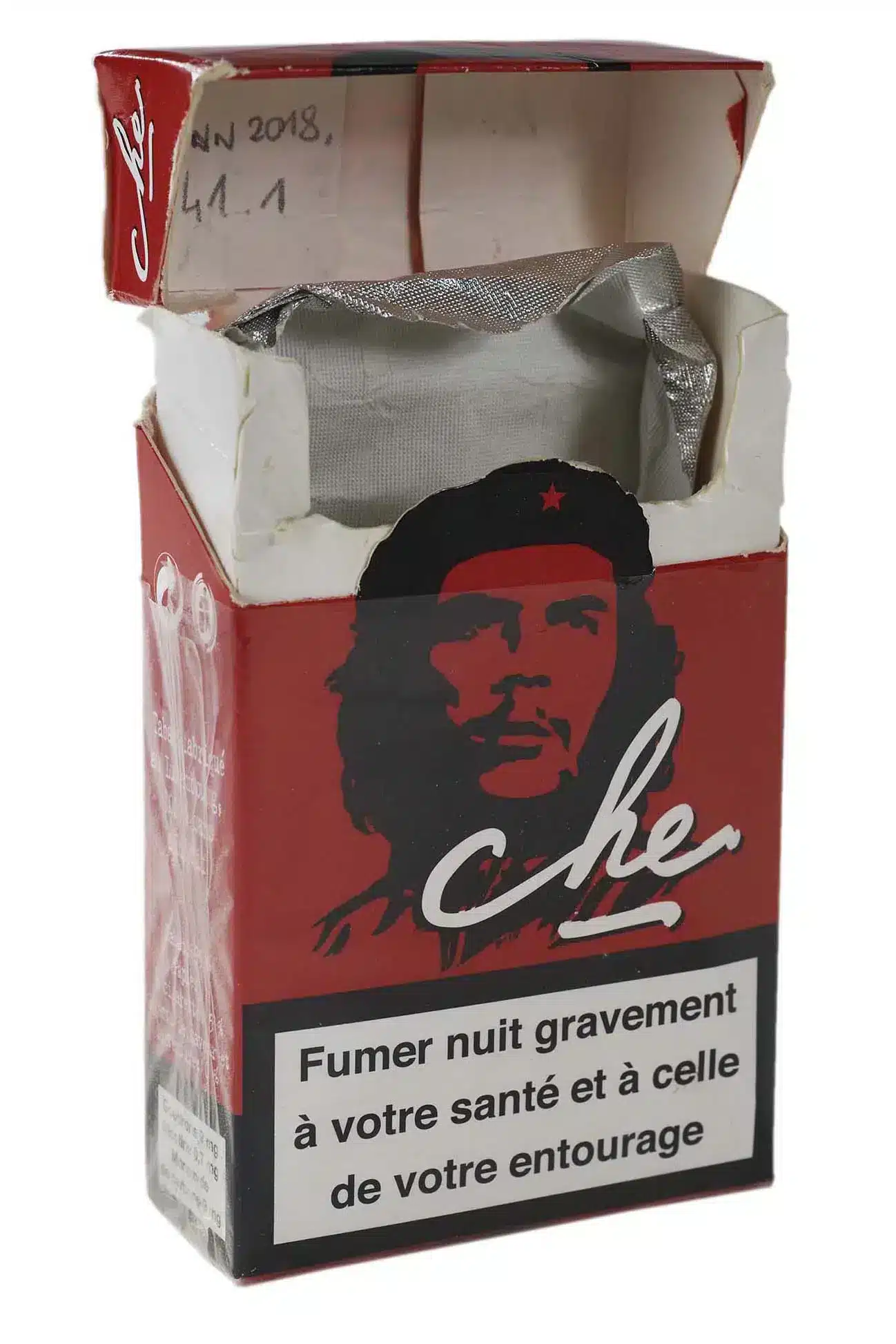
Cigarettes packet
1990s-2010s
Musée Nicéphore Niépce, Chalon-sur-Saône
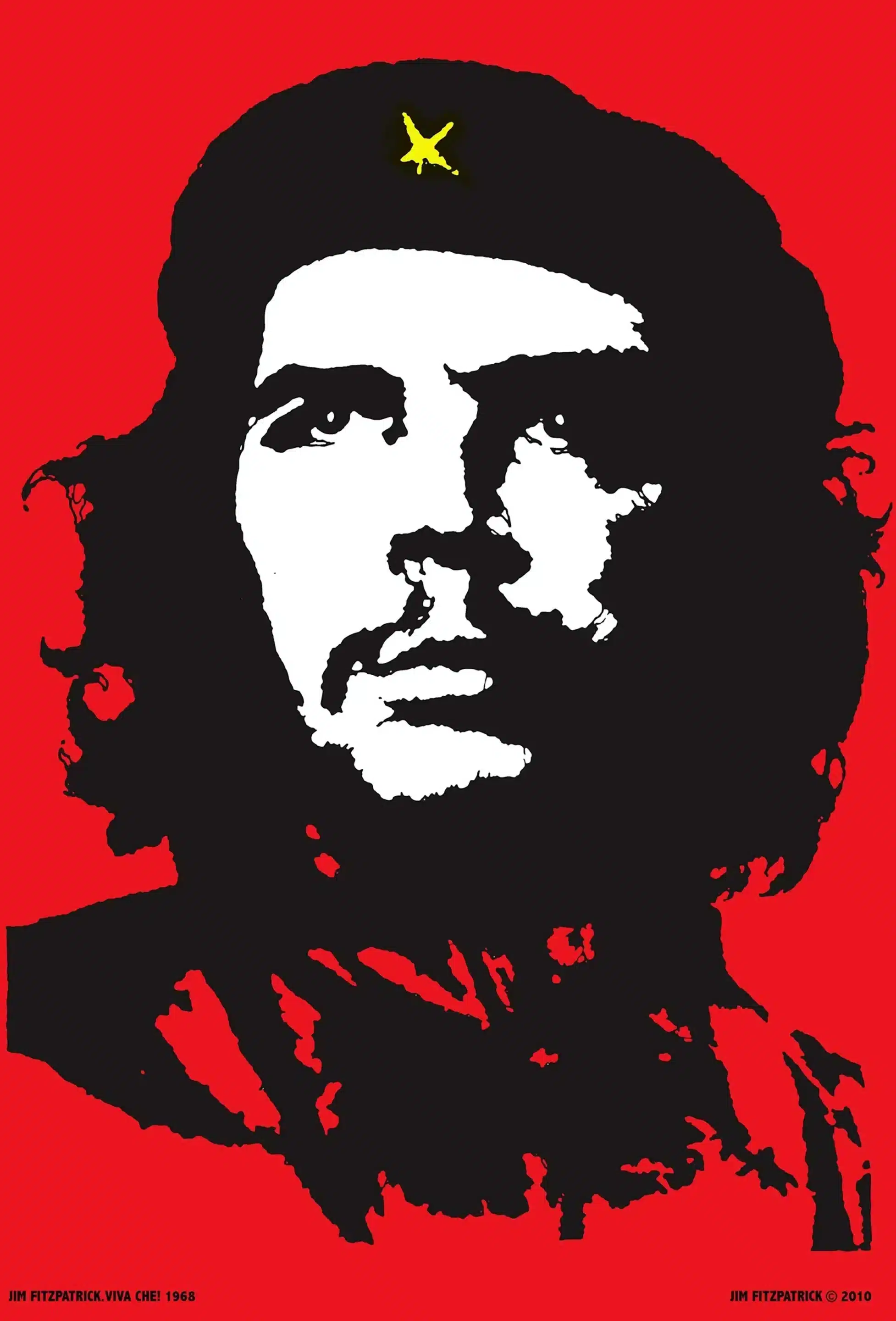
© Jim Fitzpatrick (1946)
Viva Che !
Silkscreen,1968
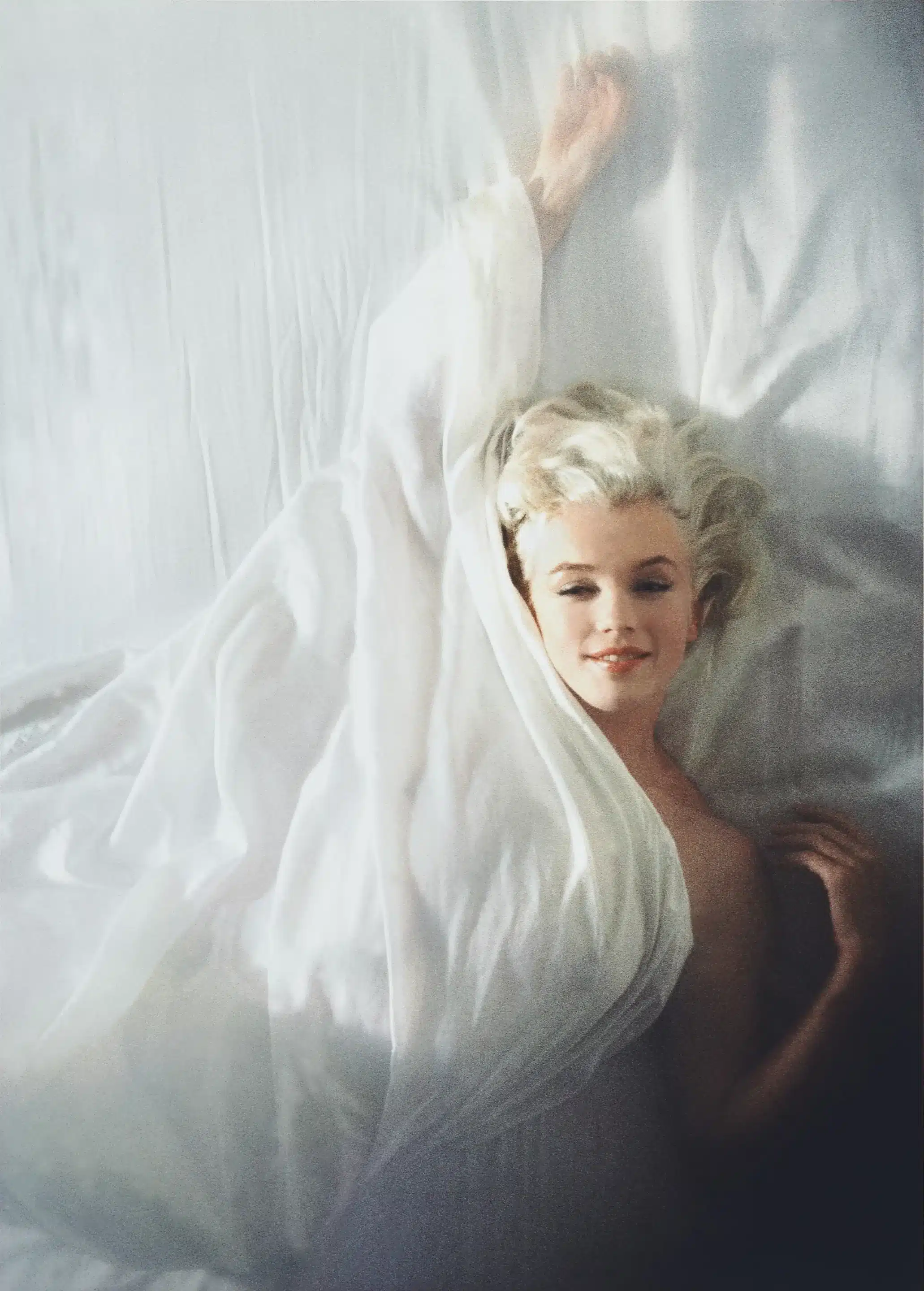
© Douglas Kirkland (1934-2022)
Marilyn Monroe, 1961
Chromogenic print. Fnac Photographic Collection,
deposited at Musée Nicéphore Niépce, Chalon-sur-Saône
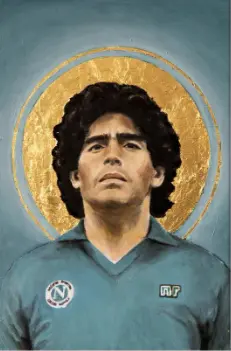
© David Diehl (1976)
Portrait of Maradona (from the Icon series), 2016
Musée national du sport, Nice. Courtesy of the artist
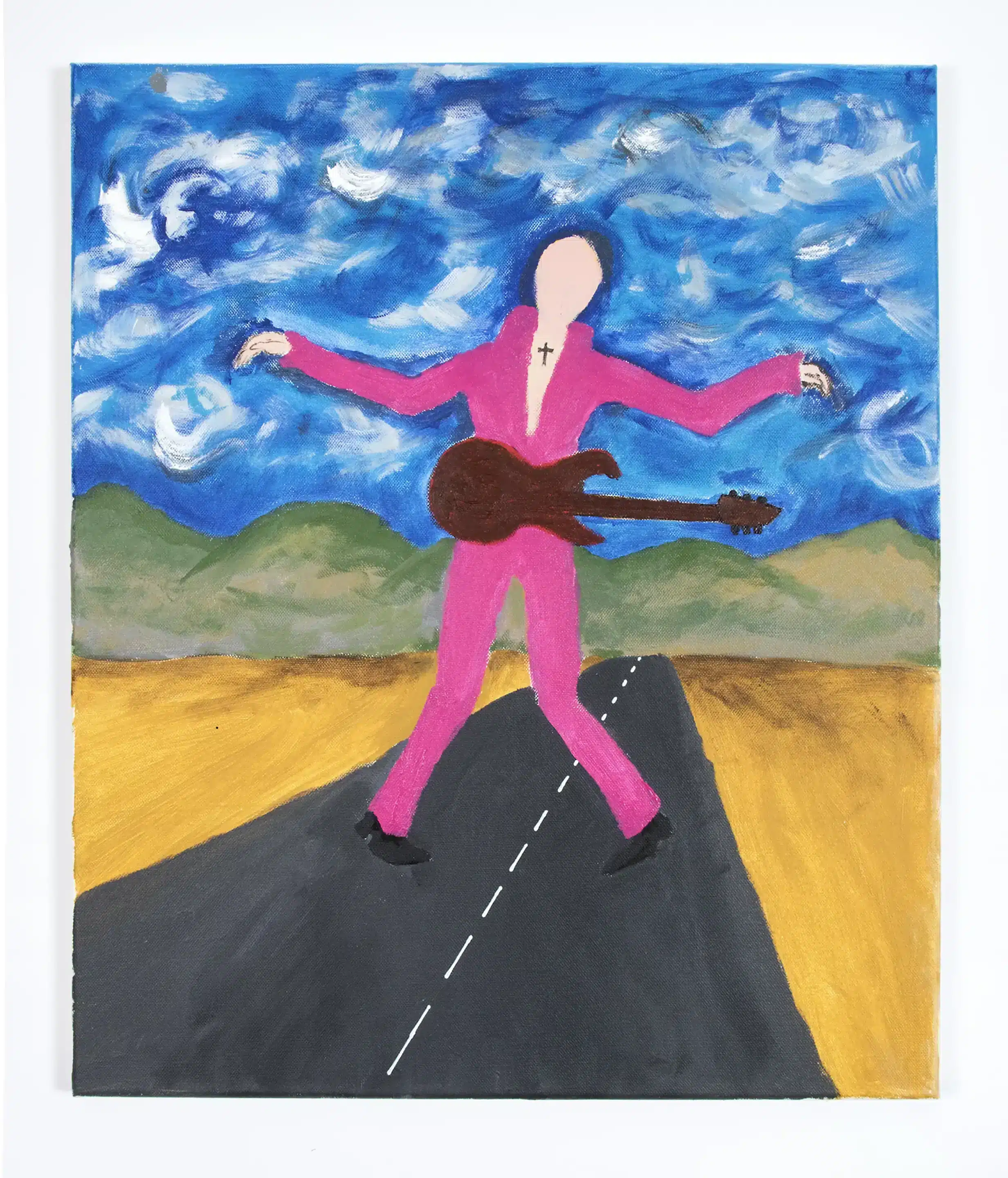
Anonymous
Untitled / no date
Gouache on board
Private collection
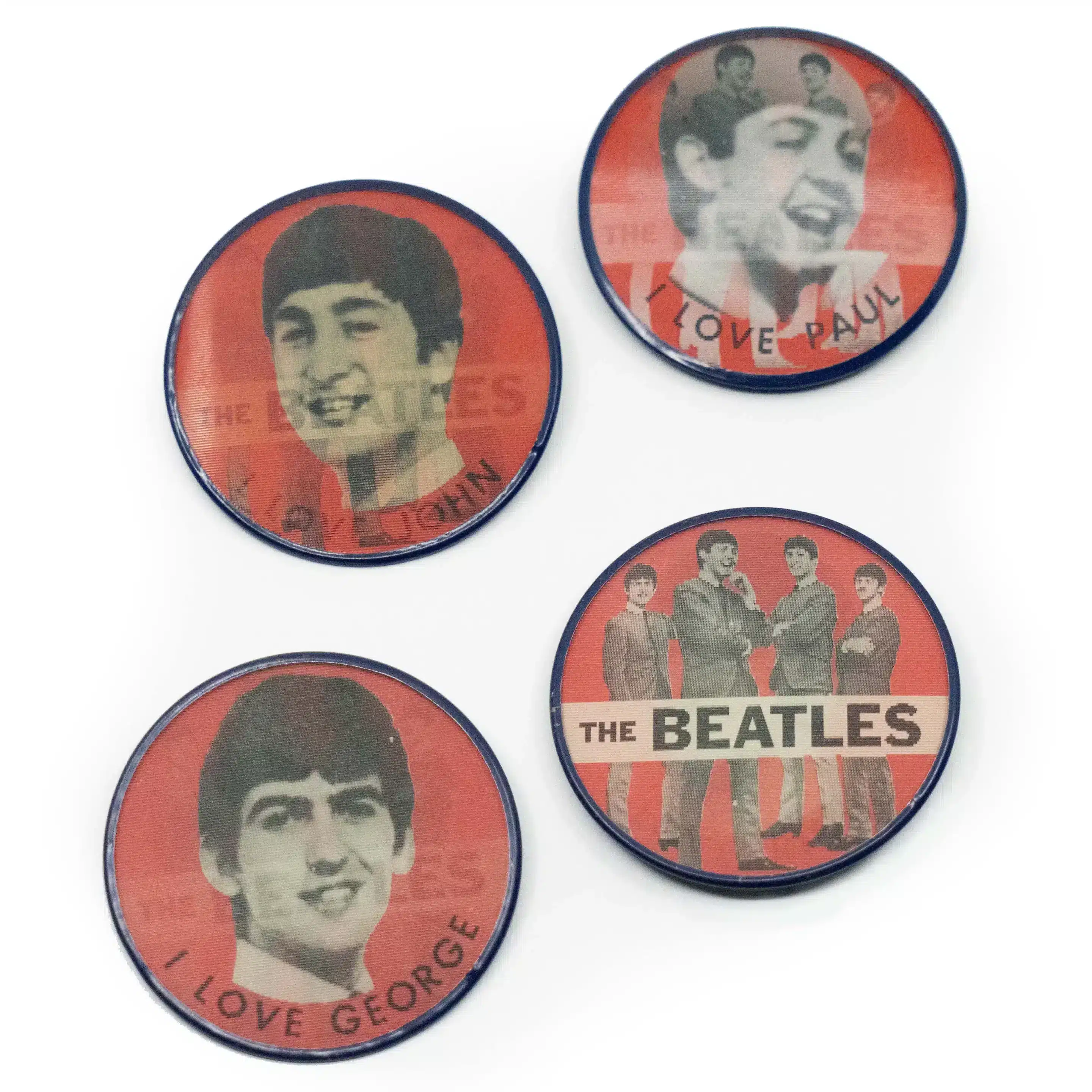
Four lenticular-badges, 1964
Mount-Vernon, United States (manufacturer)
Private collection
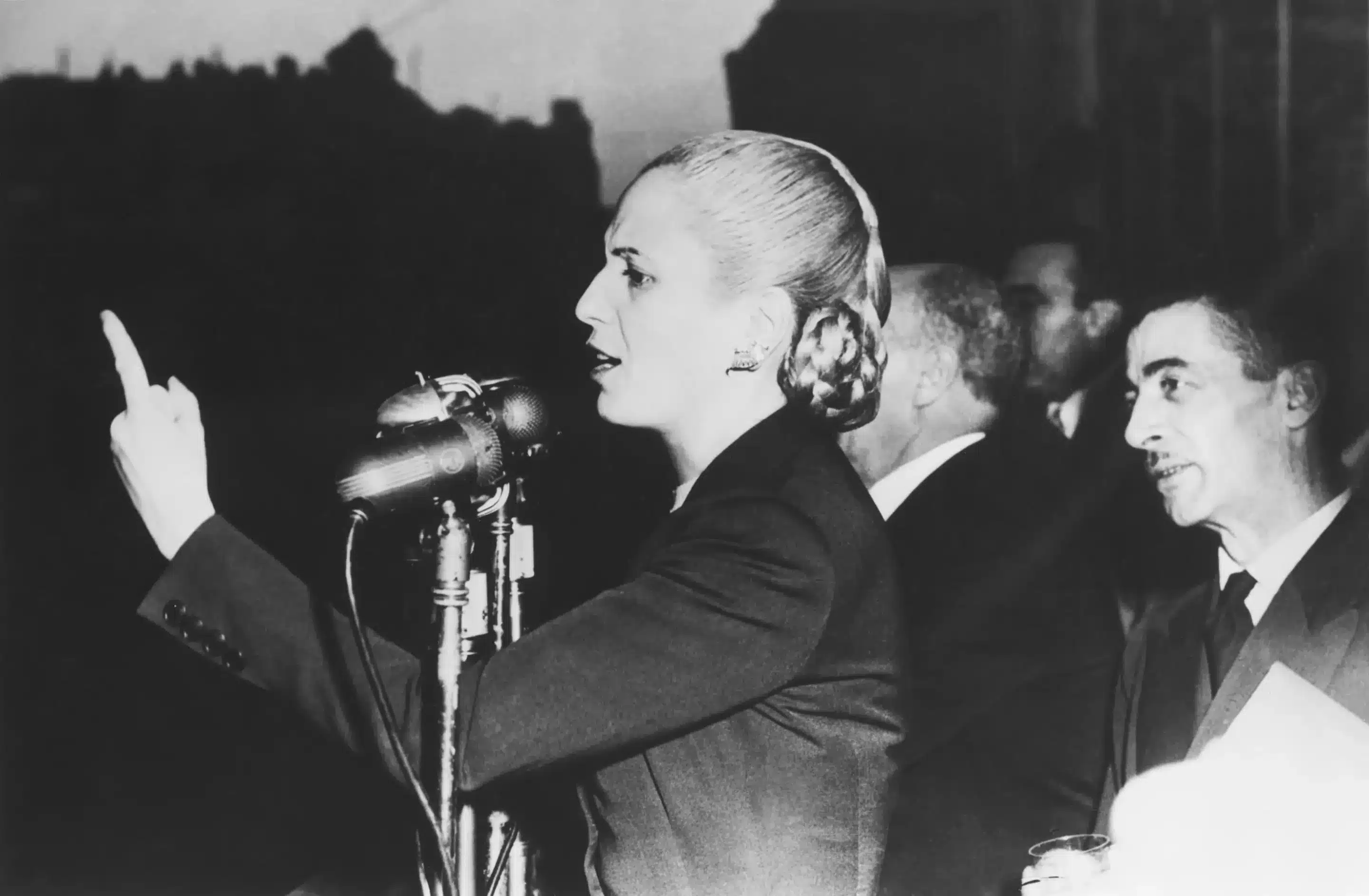
Eva Perón giving an election speech at a mass labor meeting,
1951 © With permission from Getty Images
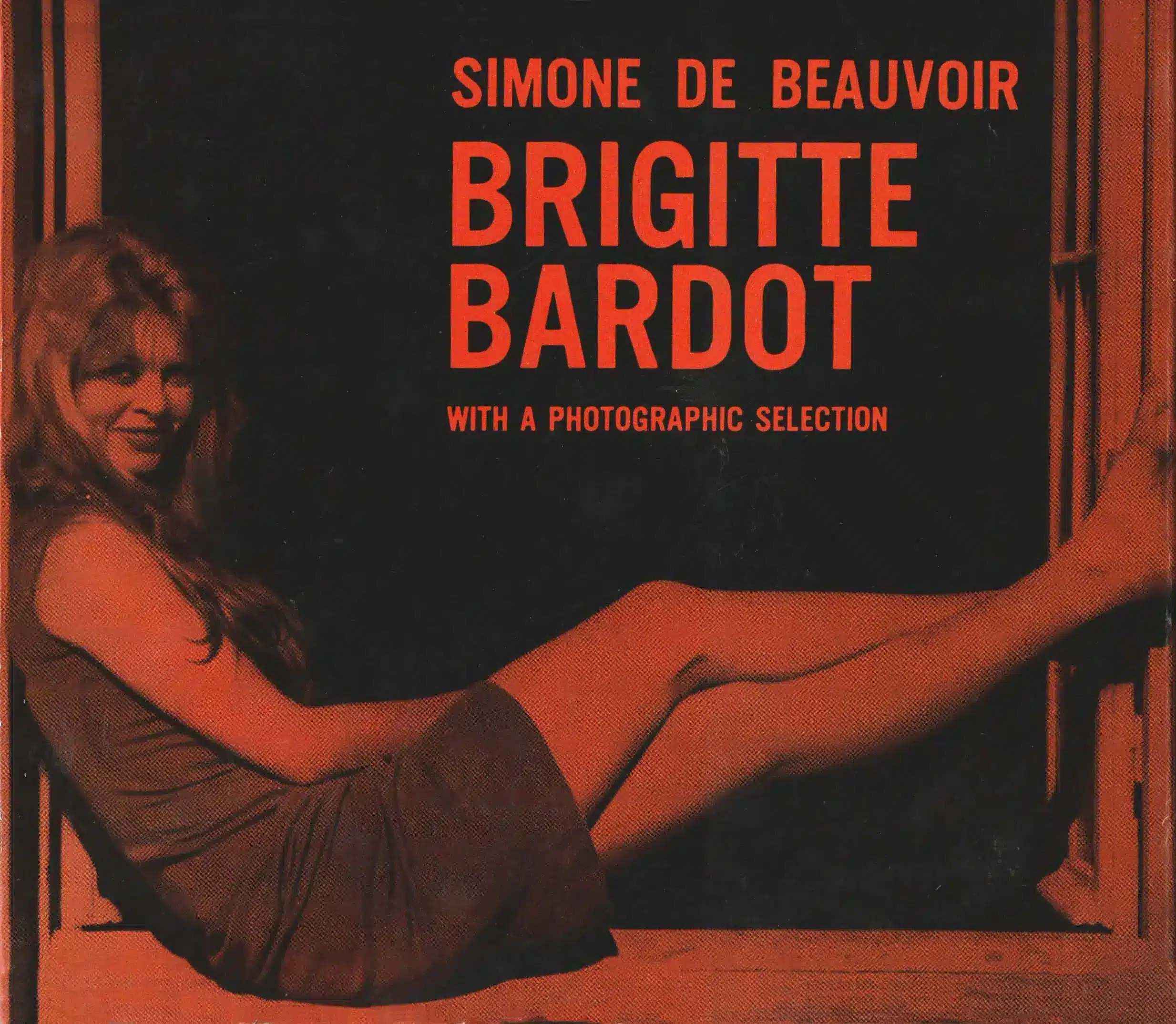
Simone de Beauvoir (1908-1986)
Brigitte Bardot and the Lolita Syndrome, 1961
Publisher: London André Deutsch and Weidenfeld & Nicolson
Private collection
Public program
Guided tours (express)
every Wednesday
and Saturday
→ 15:00
Young audiences tour
A narration specially created for families based on the photographs on display.
Sundays
1.11.2026
6.12.2026
3.01.2027
7.02.2027
16:00 → 16:20
From age 4.
Free admission as part of the first Sunday of the month.
Informations and booking:
+33 (0)4 22 21 52 12
centrephotographie@villedemougins.com
Upcoming exhibition
Vitreous Body: Lara Tabet
5.03 – 6.06.2027
Curator: Yasmine Chemali
Opening 4.03.2027, 18:30
Winning project of BMW Art Makers 2026.
At the crossroads of art, biomedical sciences and ecology, the project explores the relationships between living beings, images and the environment through an experimental process of bacteriography.Using microbiological samples taken from aquatic environments located at the interface between natural spaces and industrial infrastructure, Lara Tabet develops images resulting from the direct interaction between micro-organisms and photosensitive surfaces. This protocol, at the crossroads of scientific research and artistic creation, makes the image the result of a co-production between the artist and living organisms, where time, light and micro-ecosystems become active agents of form.
For the exhibition, these imprints of life are transposed into contemporary stained-glass windows, making a transition from the biological to the mineral, via the digital, and inscribing the image in a long and lasting temporality. Combining photography, glass and light, Le corps vitré questions the ability of images to make often invisible ecosystems visible and to become a tool for highlighting current environmental issues.
Past exhibitions
- Date